Property Management
Ottawa Apartment Common-Area Clean-Up: A Practical Plan for Property Managers
A practical Ottawa guide to organizing lobby, hallway, stairwell and shared-storage clean-up while protecting access and minimizing disruption.
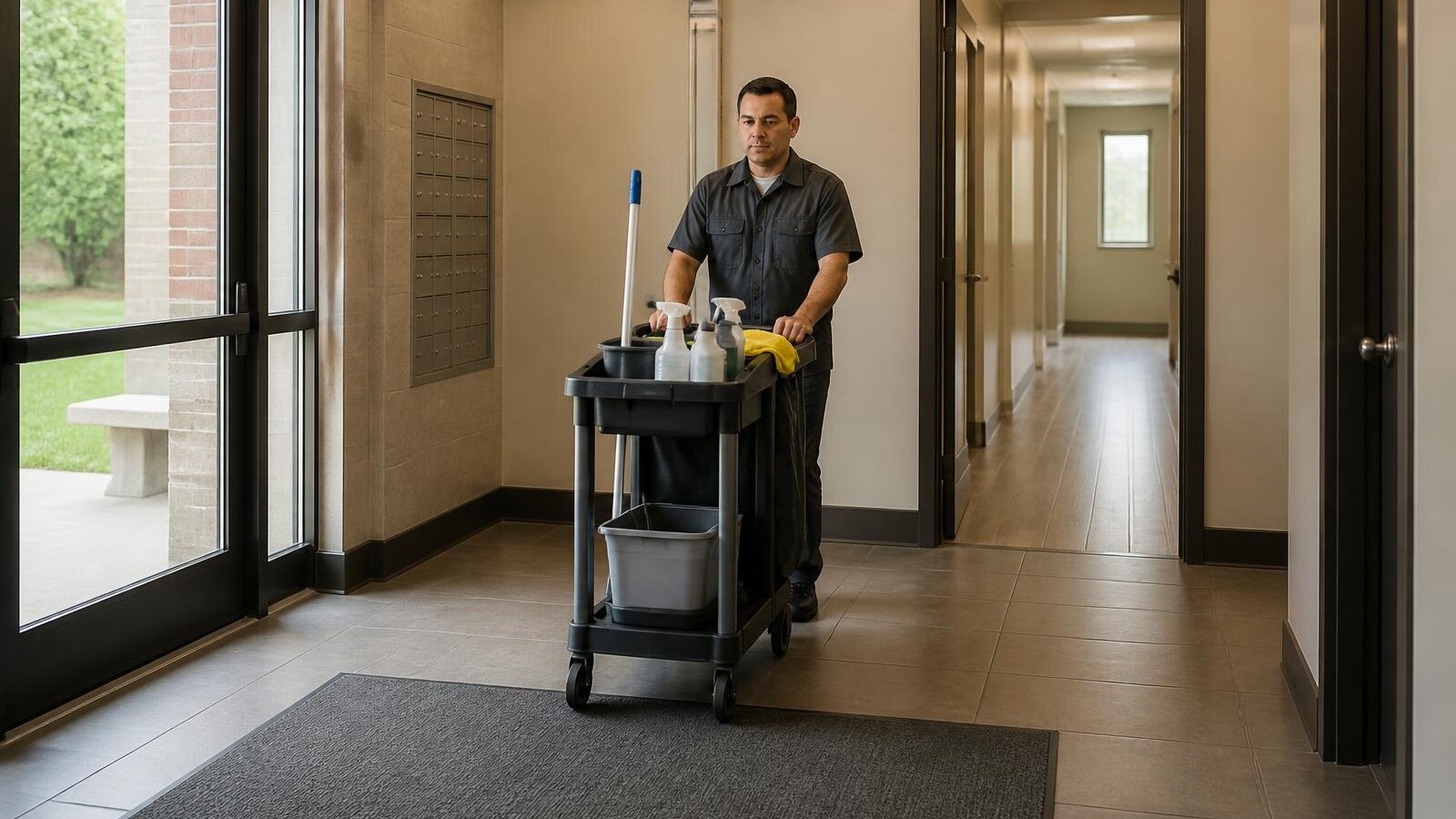
Apartment common areas carry a lot of daily traffic. Entry mats collect grit, corridor edges gather dust, stair railings are touched constantly, and shared rooms can slowly fill with items that no longer have an obvious owner. For an Ottawa property manager, the challenge is not simply to make these spaces look tidier. The work has to protect resident access, respect private belongings and leave a clear, documented handoff.
A useful common-area clean-up starts with a defined scope and a realistic building plan. Lobbies, hallways, stairwells, laundry rooms and shared storage each need a slightly different approach. Treating the entire building as one large room usually creates confusion about authorization, timing and what should be removed.
Define the common-area scope by zone
Walk the property and list each area separately. For the lobby, note entrance glass, mats, thresholds, baseboards, corners and the space around mail or parcel areas. In corridors, look at wall edges, doors, flooring transitions and alcoves. Stairwells need attention at railings, nosings, landings and the narrow strip where floor coverings meet the wall.
Laundry rooms, bicycle rooms and shared storage may include both building fixtures and resident property. Mark that distinction in the scope. A cleaner or removal crew should not have to decide ownership on the spot. Private suites, balconies assigned to residents and locked lockers are outside a common-area project unless the property manager has separate authority and has added them clearly.
Also separate routine cleaning from item removal. Dusting a shelf and disposing of an abandoned chair are different tasks. One needs surface access; the other needs clear authorization, a removal route and a destination appropriate for an ordinary non-hazardous item.
Document conditions before scheduling
Take wide photos of every included zone, then closer photos of problem areas. Show corridor width, stair turns, exterior doors, loading access and any elevator that may be used. Photos help distinguish fixed building features from loose contents and make it easier to estimate labour, equipment and disposal volume.
Create a short written list of exclusions. Examples might include locked tenant storage, electronics awaiting ownership confirmation, maintenance supplies, building records or anything with an unclear status. If property has been left in a common area, the building manager should complete any required resident communication and authorization process before the service appointment.
Protect access while work is underway
Residents still need to enter, leave and move safely through the building. Choose a work sequence that keeps a usable route open, and avoid staging bags, bins or equipment across doorways and landings. Cords and hoses should remain controlled, visible and out of the travel path whenever possible.
The property manager should decide how residents will be notified, which doors the crew may use, and whether a loading or parking space is available. Share move-in bookings, deliveries, maintenance visits and other known conflicts. A quiet weekday morning may suit one building, while another needs work divided into shorter sections.
Confirm keys, fobs, elevator access and alarm instructions before arrival. A crew waiting for access loses useful working time, and an unlocked service door can create a security problem. Name one onsite contact who can answer scope questions and approve the final handoff.
Plan shared-storage work carefully
Shared storage deserves its own inventory. Start by identifying fixed shelving, building-owned supplies, clearly assigned resident items and material approved for removal. Use photos or a simple numbered list so everyone is referring to the same objects. Do not discard uncertain property merely because it appears unused.
Clear the floor and access route first, then work section by section. Keep doors, electrical panels, mechanical equipment and any required safety equipment reachable. Shelving should not be overloaded or used to hide loose material that still needs a decision.
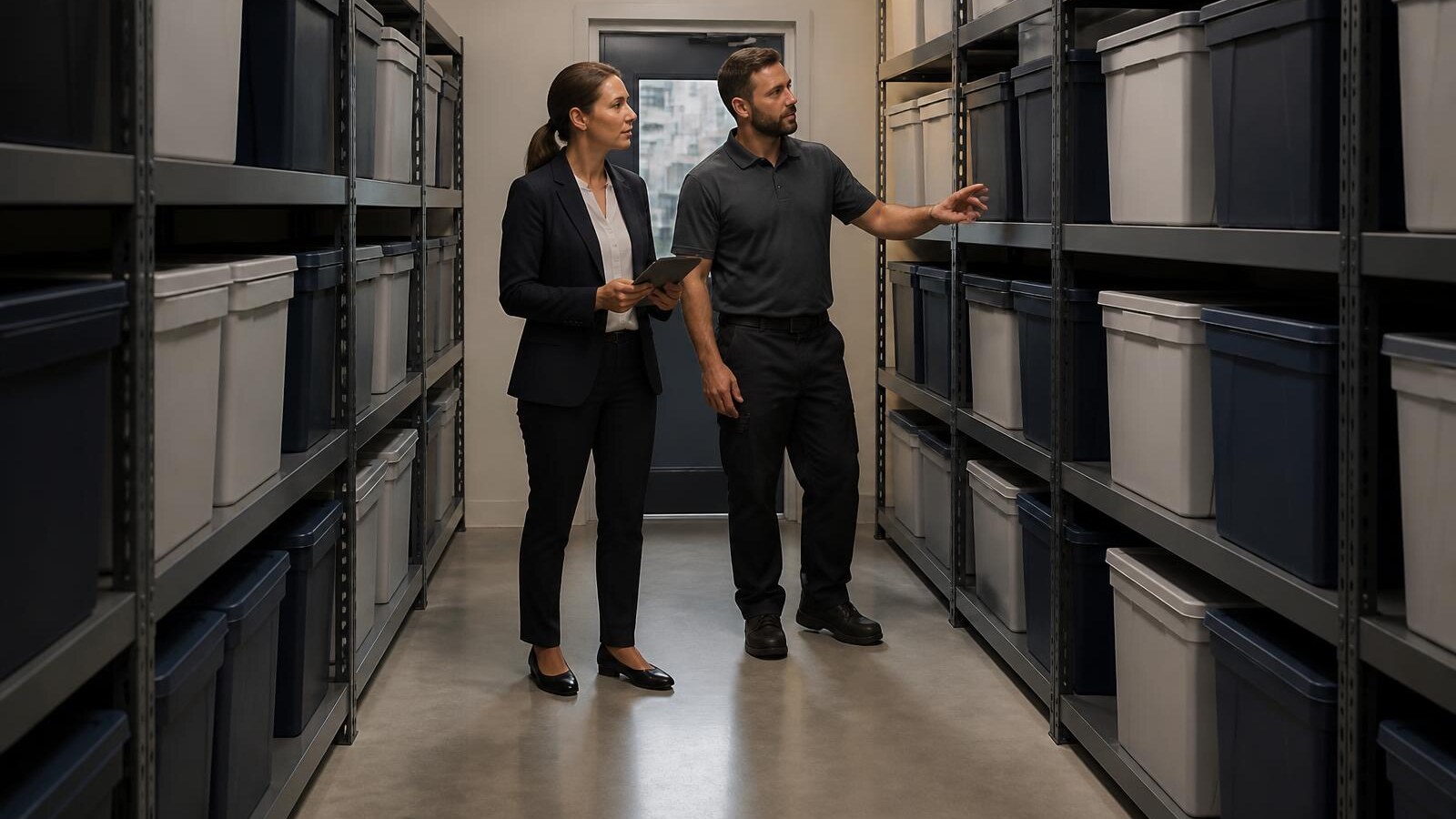
Ordinary non-hazardous items can be grouped for donation, recycling or disposal when the property manager has approved them. Paint, chemicals, fuel, compressed cylinders, sharps, biological waste, suspected mould contamination and pest-affected material need separate handling or an appropriate specialist. They should not be mixed into a routine clean-up load.
Use a sensible cleaning sequence
Once loose contents are controlled, work from dry removal toward detail cleaning and floors. Pick up debris first. Wipe reachable ledges, rails, trim and baseboards using methods suitable for their materials. Finish with the flooring so dust and small debris are not dropped onto a completed surface.
Give high-touch points attention without overpromising disinfection. Door hardware, push plates, railings and laundry-room surfaces need a consistent process and suitable products. Follow product directions, respect dwell times where applicable and avoid combining products. A visibly clean surface and a documented routine are more useful than vague claims.
Set realistic expectations for worn paint, damaged flooring, rust, permanent marks and old adhesive. Cleaning can remove ordinary soil; it cannot repair failed finishes. Photograph maintenance issues uncovered during the work so they can be directed to the right trade.
Give stairwells their own plan
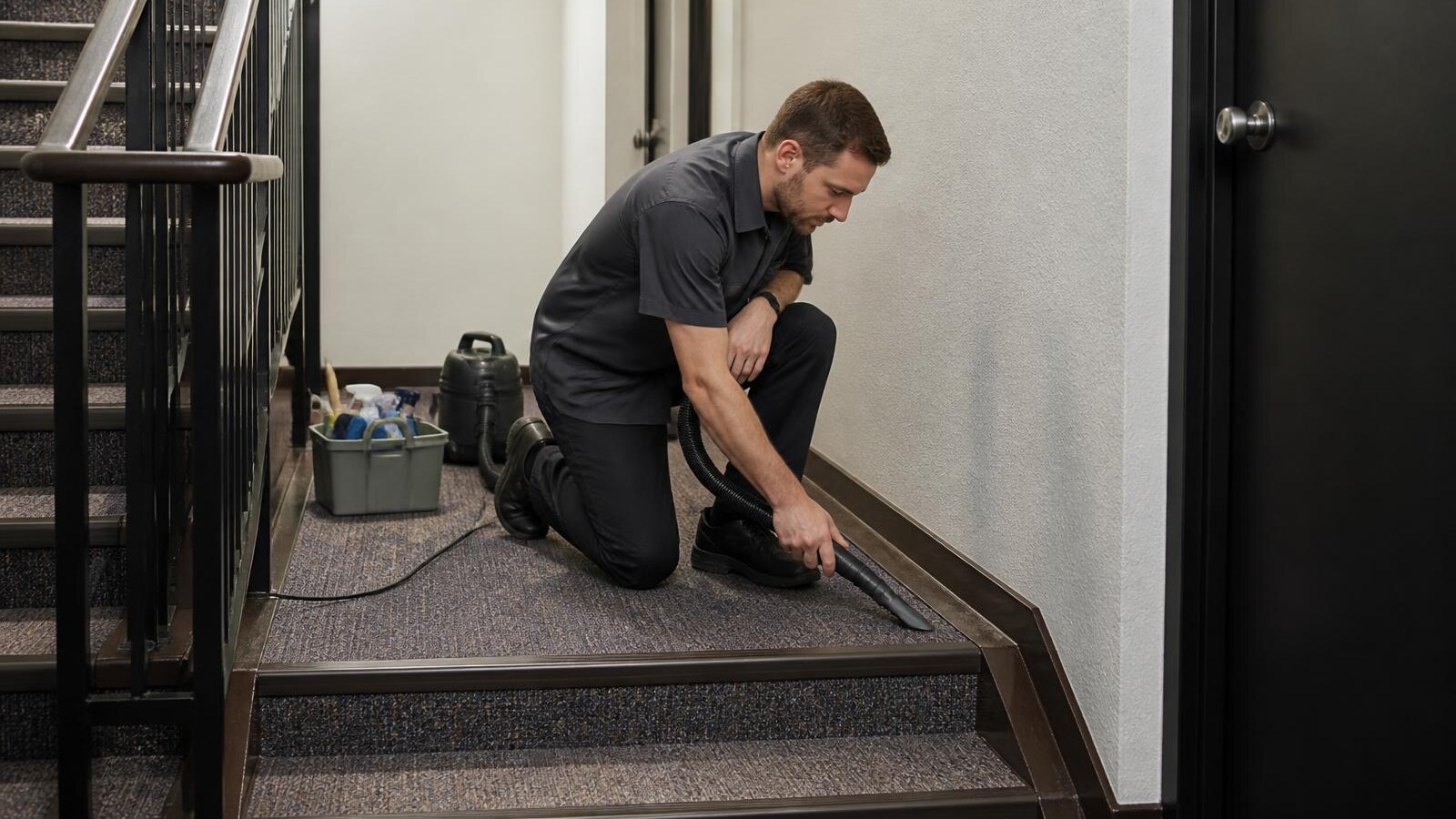
Stairwells are compact and difficult to stage. Keep the active work area small, place supplies on a stable landing and maintain a clear route. Vacuum runner edges and landings methodically, then address baseboards, rails and corners. Do not leave a cord stretched across a flight or equipment where it narrows an exit path.
Inspect loose nosings, damaged runners, unstable railings and wet spots before cleaning. These are maintenance or safety concerns, not stains to work around. Stop and report them to the building contact rather than allowing routine cleaning to hide or worsen the condition.
Finish with a documented handoff
At completion, walk the included zones with the property manager or designated contact. Confirm that approved items were removed, retained items are where expected, travel routes are clear, doors are secure and equipment has been taken out. Compare the result with the original photos and record anything excluded or referred for maintenance.
A short photo set is often enough for an offsite owner or manager: one image per completed zone, plus close-ups of any concern that needs follow-up. The aim is not a dramatic before-and-after presentation. It is a clear record of what was included and what remains.
Apartment common-area planning checklist
- List each lobby, corridor, stairwell and shared room in scope.
- Separate routine cleaning from authorized item removal.
- Photograph current conditions, access points and loading routes.
- Identify private property and record all exclusions.
- Confirm resident communication and building access arrangements.
- Keep doors, landings, panels and required equipment reachable.
- Flag hazardous or contaminated material for appropriate handling.
- Schedule around moves, deliveries and maintenance visits.
- Name one onsite contact for decisions and final signoff.
- Complete a documented walk-through after the work.
What to send for a firm quote
Send wide photos of each area, close-ups of accumulated material, the approximate number of floors, elevator or stair access, door and fob arrangements, available loading space and the date the building needs to be ready. For item removal, include clear photos of every approved item and note whether anything is heavy, oversized or uncertain.
Mattabo Property Care is fully insured for the services it provides.
Same-day service is often available but is not guaranteed until Mattabo confirms the appointment.
Readers can send photos, their Ottawa address and deadline for a firm quote.
A quote request is not a confirmed booking.
Photos are illustrative examples of typical residential service results.