Junk Removal
Ottawa Estate Cleanout Before a Home Sale: A Respectful Room-by-Room Plan
A respectful Ottawa estate-cleanout plan for family decisions, room-by-room sorting, access preparation and ordinary non-hazardous removal before a home sale.
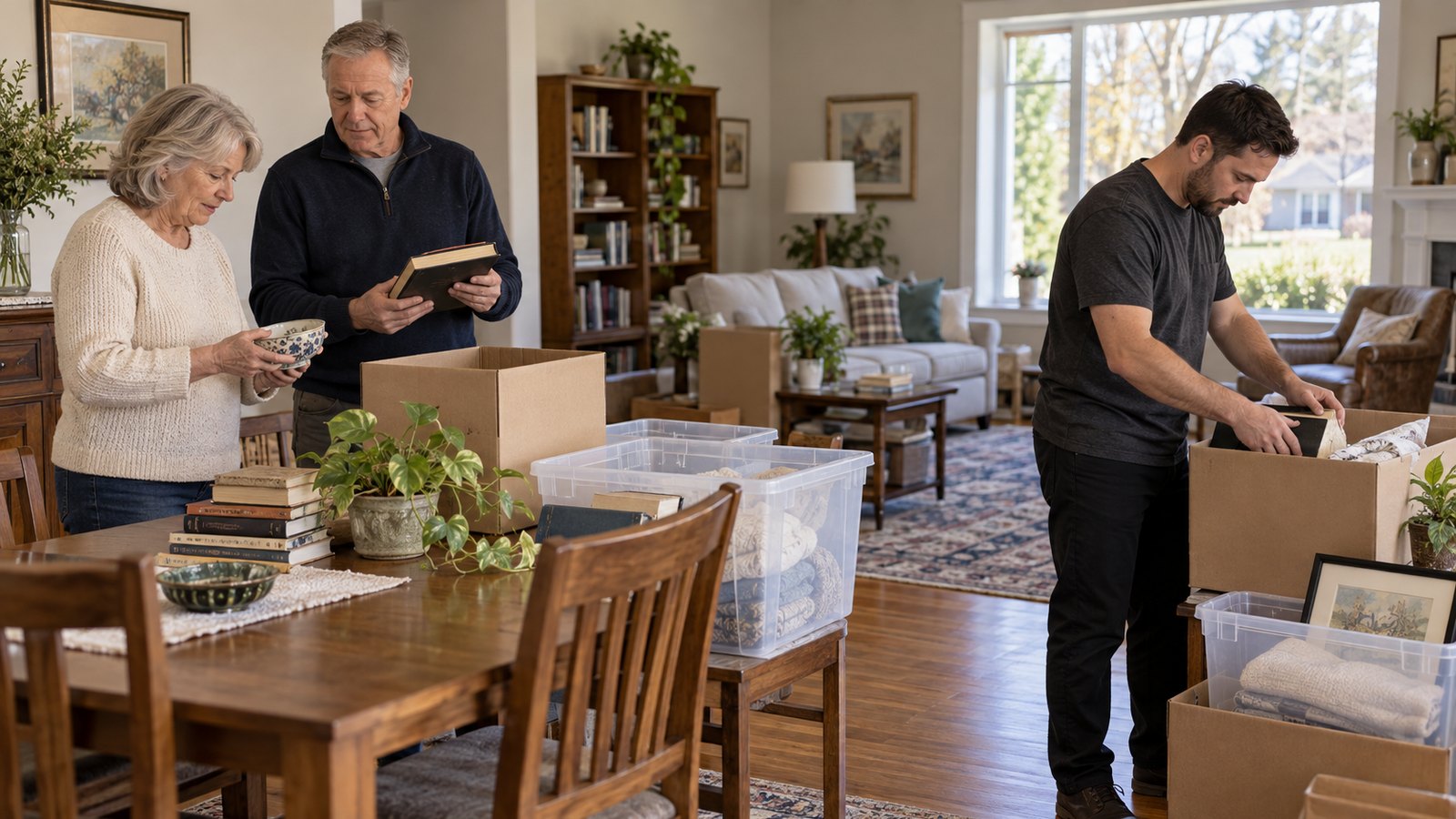
An estate cleanout before a home sale is rarely just a clearing job. It is a family process with a deadline attached, and it usually lands on one or two people who are also handling paperwork, showings and everyone else's feelings. The work goes far better when the order of operations is decided before the first box is filled.
This is a practical Ottawa plan: who decides, what gets protected first, how to sort room by room, how to prepare the access route, and what should never be treated as ordinary junk. It is written for families, authorized representatives, real-estate agents and property managers who need the house presentable and empty on a schedule.
Start with the authorized decision-maker and a written scope
Before anything leaves the property, confirm who is authorized to decide what may be moved or removed. That person should approve the scope in writing, even if the writing is just a shared note or an email thread the family can refer back to. It prevents the most common problem in a cleanout: an item leaves the house and nobody can agree that it was supposed to.
Keep the scope in plain terms — which rooms, which categories, and what is explicitly staying. Legal, valuation and ownership questions are not part of a cleanout. Estate administration, tax questions, appraisals and disputes over who owns what belong with an appropriate professional, and they should be settled before removal day rather than in the driveway.
- One named decision-maker, with a second person as backup.
- A written room list and a short do-not-remove list.
- A rule that anything uncertain stays put until the decision-maker confirms it.
- A note of any item a family member has already asked to keep.
Protect documents, keys, medication and sentimental items first
The first pass through the house is not sorting — it is safeguarding. Small items carry the most risk of being lost, and they are almost always in furniture that is about to be emptied or moved.
- Documents: identification, tax and banking records, insurance, deeds, warranties and anything in a filing cabinet or desk drawer.
- Keys and access items: house and vehicle keys, mailbox keys, garage remotes, safe or lockbox keys, spare fobs taped inside drawers.
- Medication: gather it and set it aside for return to a pharmacy rather than a bin or a truck.
- Sentimental items: photographs, letters, jewellery, military or religious items, hand-made pieces, anything with a name on it.
Put these in one clearly labelled, locked or removed container that stays with the decision-maker. Sorting is much faster once nobody is worried about what might be inside the next drawer.
Create zones before you create piles
Assign zones with painter's tape and paper signs so every helper sorts the same way. Five zones handle almost every household:
- Keep — going with a family member or to the new home.
- Family review — claimed or possibly claimed, needs the decision-maker.
- Donate — subject to a destination confirming it will take the item.
- Recycle — subject to the receiving facility's rules for that material.
- Removal — ordinary non-hazardous items the decision-maker has released.
Do not assume a charity will accept furniture, mattresses, electronics or textiles, and do not assume a material is recyclable because it looks like it should be. Confirm each destination first, including what condition it requires and whether it collects or expects drop-off. That single phone call saves a second handling of the heaviest items in the house.
Work one room at a time, finishing as you go
Cleanouts stall when several rooms are half-done and the hallway is full. Pick the least emotional room first — often a spare bedroom, a laundry room or a utility area — to get the group into a rhythm, and finish it completely before opening the next door. Save shared living areas and personal bedrooms for when the family has already made a hundred smaller decisions and knows what it actually wants to keep.
Leave one room deliberately empty as a staging area for the Keep and Family review zones, and keep the main hallway clear. In an Ottawa two-storey with a narrow stair and one usable entrance, a clear hallway is worth more than an extra pair of hands.
Photograph, measure and describe the scope
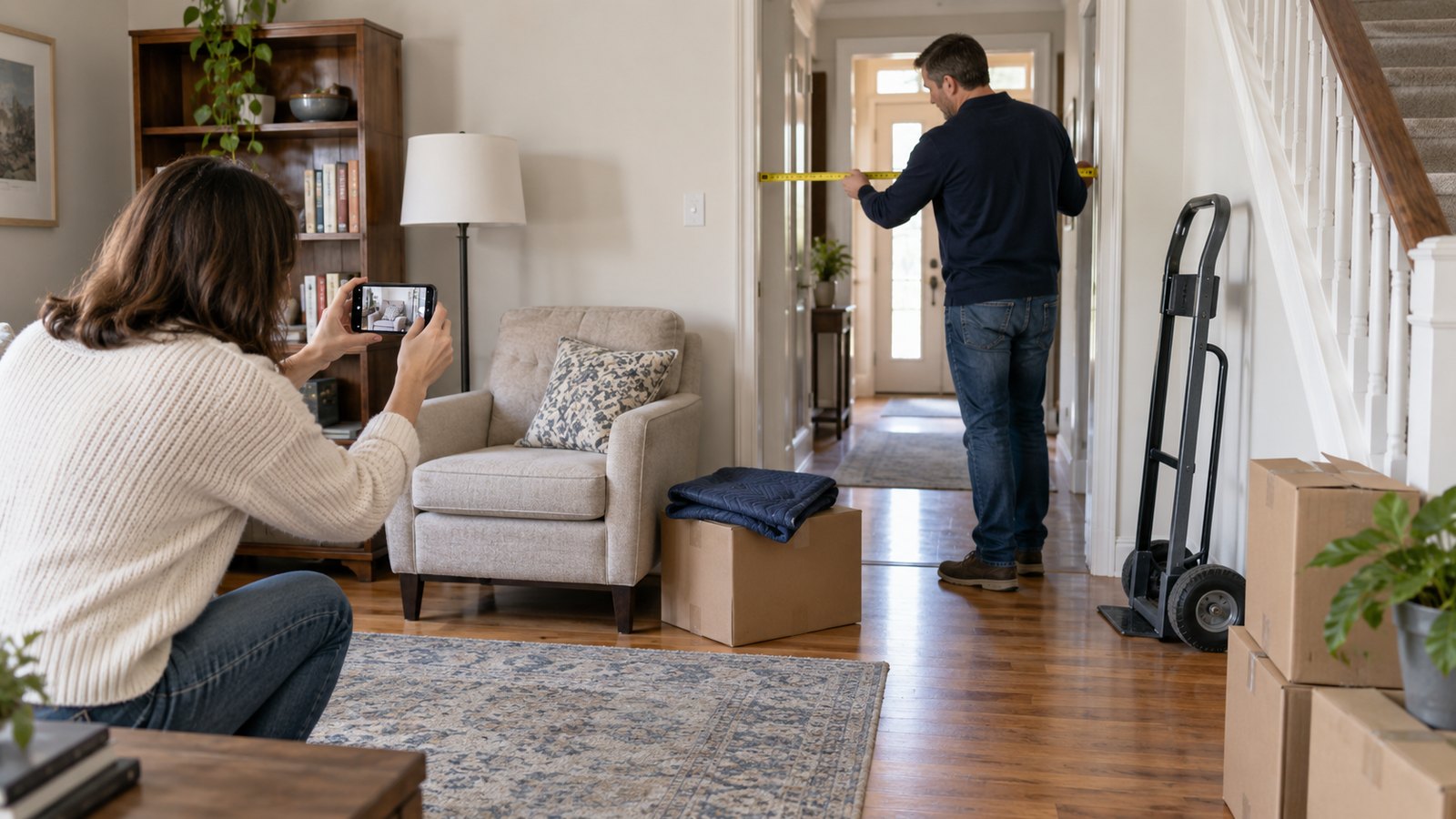
Before booking any help, document what you are dealing with. Photos and measurements turn a vague description into something a service can quote accurately, and they protect the family if there is any later question about what was in the house.
- Photograph each room from the doorway, plus a close photo of every large item.
- Measure oversized pieces — sofas, armoires, appliances, workbenches, safes.
- Measure the route: doorway widths, stair width, landing turns, hallway length, elevator door and cab if it is a condo.
- Note the parking situation, driveway slope, snow storage in winter, and whether a truck can sit legally while loading.
- List anything already claimed by family so it is visibly excluded.
Separate the items that are not ordinary junk
Some materials should never be put in a general removal pile. If any of the following are found, stop, mark the area, tell the decision-maker, and arrange the appropriate qualified service or facility instead:
- Chemicals, solvents, cleaners in bulk, fuels, propane and other pressurized cylinders.
- Paint, stains and any unlabelled or unknown container.
- Sharps, needles, biological or medical waste.
- Suspected mould, remediation work, water damage, sewage or contaminated materials.
- Pest infestation, droppings or nesting material.
- Firearms, ammunition, controlled substances, and anything else regulated.
Mattabo's scope is organization, interior clean-up and authorized ordinary non-hazardous junk removal. Hazardous, regulated and remediation work is outside that scope, and pretending otherwise puts everyone at risk. Set those items aside early so the rest of the cleanout can proceed on schedule.
Plan stairs, parking and building access
Access is what determines how long a cleanout actually takes. A basement with a tight turn at the bottom of the stairs, a third-floor walk-up, a single shared elevator, or a street with no loading room can each double the time for the same volume of belongings.
- Confirm which door will be used and clear a path to it.
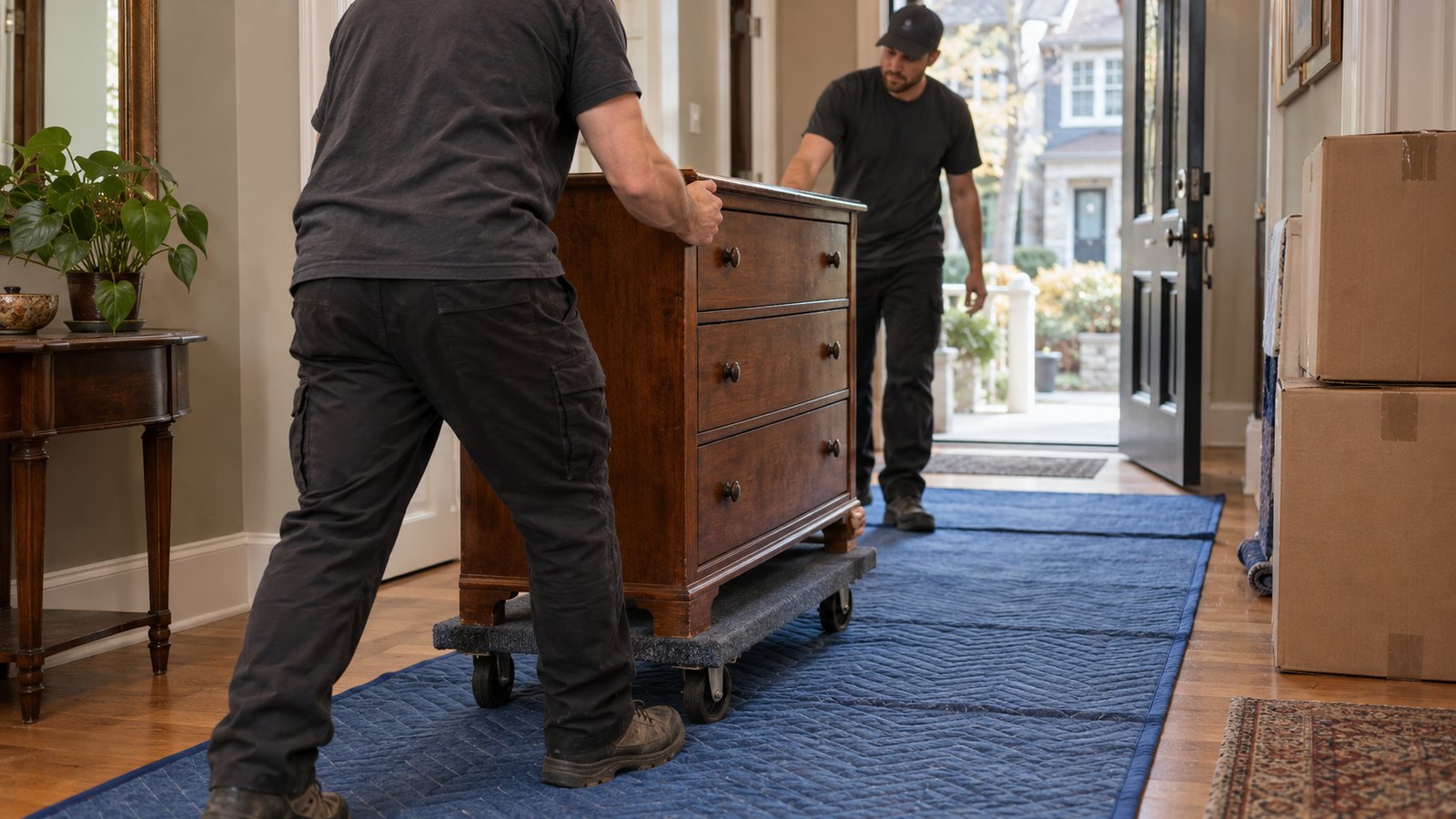
- Protect floors, thresholds, stair edges, door frames and railings before anything moves.
- For condos and apartments, book the elevator and loading area with the property manager and confirm the permitted hours.
- Arrange parking so the truck is close to the door, and clear snow and ice from the walk and driveway in winter.
- Keep pets and children out of the route while items are in motion.
Move ordinary furniture safely
Empty every drawer and cabinet before a piece moves — furniture is far lighter and far less likely to be damaged when it is not carrying its contents. Remove doors and legs where they come off easily, wrap glass and mirrors, and use a dolly along a protected route instead of carrying awkward pieces down a stair. Two people and one clear path beat four people and a crowded hallway every time.
Clean only after decisions and removal
Cleaning an occupied, half-sorted house is wasted effort. Once the rooms are clear, the interior clean-up is straightforward and the results show in listing photos: wipe down walls and baseboards, clean inside emptied closets and cupboards, deal with dust behind furniture that has not moved in years, clean windows and light fixtures, and finish floors last. Marks left behind by furniture and picture hangers are worth addressing before photographs, not after.
Document the final handoff
Walk the property with the decision-maker at the end, take photos of every empty room, and note anything intentionally left behind and why. Return keys, remotes and access items in one recorded handoff. If an agent or property manager is involved, send them the same photo set so the listing or turnover can proceed without another visit.
What to send Mattabo for a firm quote
The fastest way to a firm number is a short message with photos and a deadline. Include room-by-room photos, close photos of large items, doorway and stair measurements, the parking and entrance situation, anything already claimed by family, and the date the property has to be clear.
Mattabo Property Care is fully insured for the services it provides; same-day service is often available but is not guaranteed until Mattabo confirms the appointment.
Readers can send photos, their Ottawa address and deadline for a firm quote; a quote request is not a confirmed booking.
Photos are illustrative examples of typical residential service results.