Rental Property Care
Ottawa Rental Turnover Checklist: How to Get a Unit Ready for the Next Tenant
A practical Ottawa rental turnover checklist for sequencing authorized junk removal and interior reset work before the next tenant arrives.
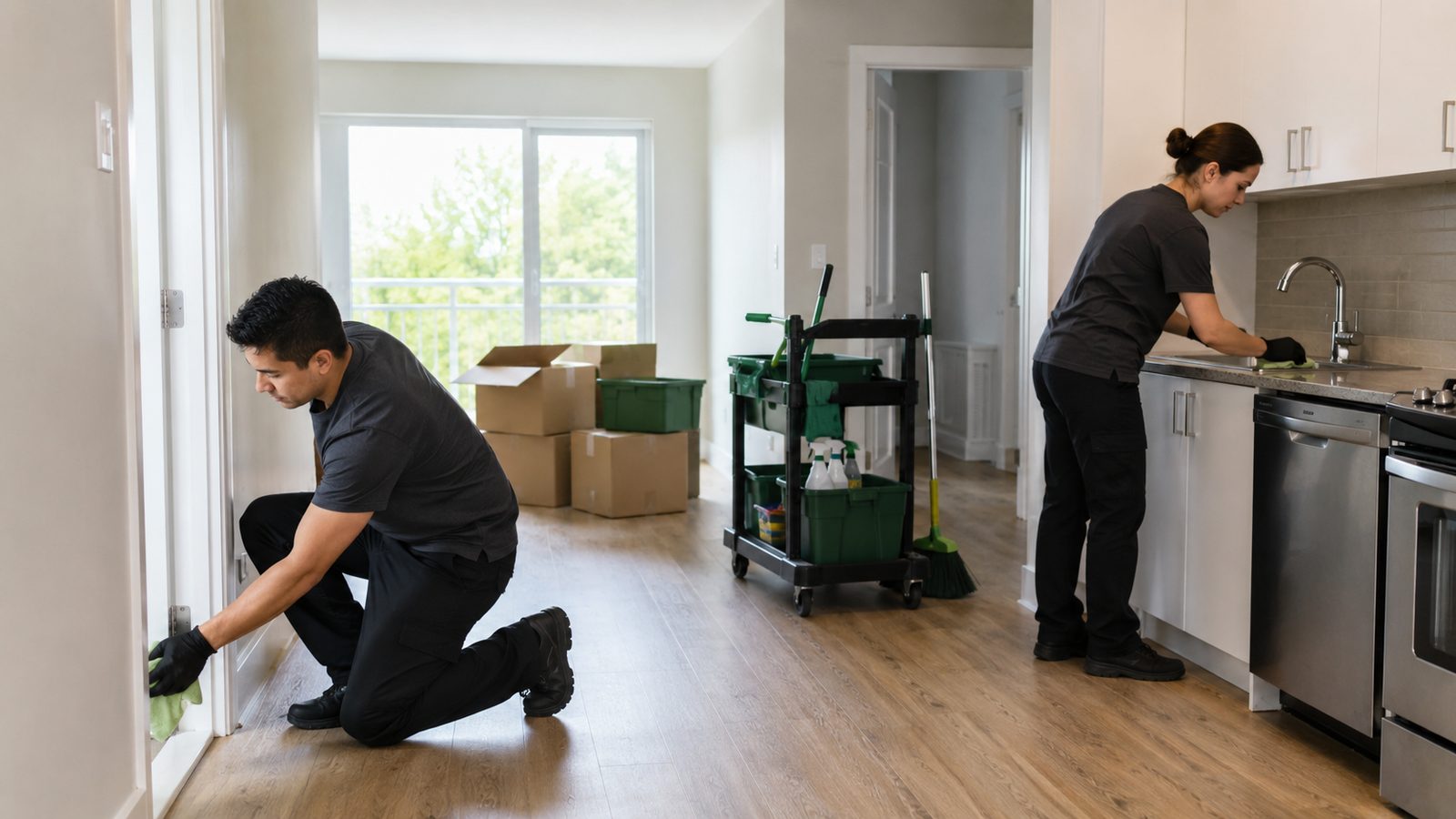
A rental turnover looks simple on a calendar: one tenant leaves, the unit gets cleaned, and the next tenant receives the keys. In practice, the usable window can shrink quickly. Furniture is left behind, building access is restricted, and a small repair can hold up every task that follows.
The fastest turnovers are not rushed at random. They are sequenced. Clearing comes before detailed cleaning, messy work comes before the final floor pass, and the last inspection happens only after the unit has had time to dry and air out. This checklist gives Ottawa landlords and property managers a practical order of operations.
Begin with the deadline, not the mop
Work backward from the non-negotiable event: the incoming tenant’s key handover, a leasing inspection, listing photographs or a contractor appointment. Record the exact day and time, then identify any building rules that affect access. Condominium elevator reservations, loading areas, parking restrictions and permitted work hours can determine the real schedule.
- Confirm when the outgoing tenant has fully surrendered possession.
- Confirm who is authorized to decide what may be removed from the unit.
- Reserve elevators, loading areas or visitor parking where required.
- List repairs or trade work that must happen before the final clean.
- Leave a realistic drying window for any washed surfaces.
1. Decide what is staying before anything is loaded
Removal crews should never have to guess whether an item belongs to the owner, the former tenant or the property. Before work begins, the landlord or property manager should identify exactly what is staying and what is authorized for removal. Mattabo handles ordinary non-hazardous junk; chemicals, paint, fuel, propane, biohazard material and other hazardous waste need an appropriate disposal route.
A quick room-by-room photo set is often enough to define the scope. Photograph the whole room first, then any dense pile, bulky item, stairway, narrow entrance or long carry. If the unit is above ground level, include the route to the elevator or loading area. Those details affect labour and timing far more than a close-up of one box.
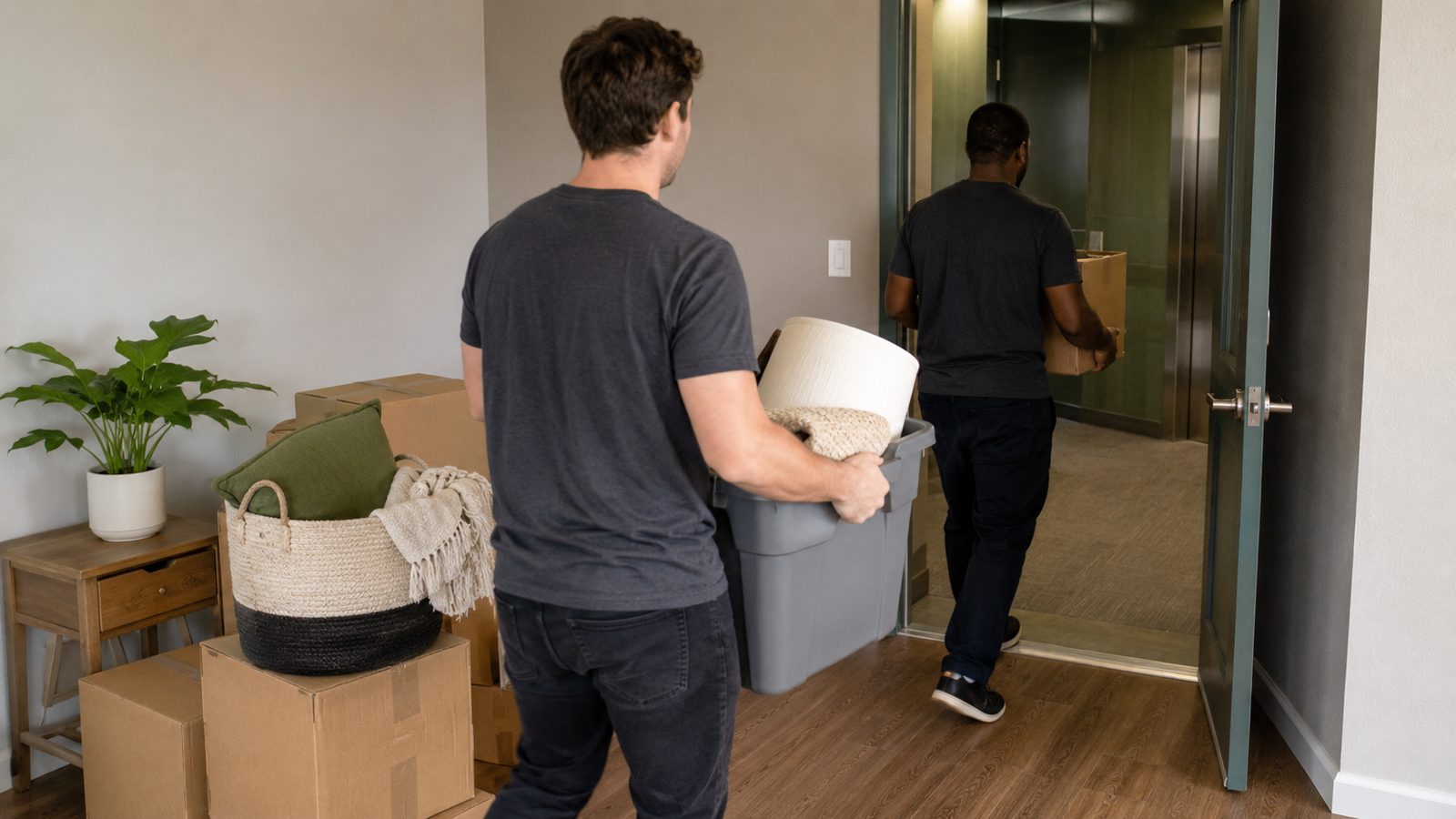
2. Remove first, then perform the detailed clean
Cleaning around abandoned furniture and boxes wastes time and creates missed areas. Once approved items are out, the unit can be assessed properly. Closets open fully, baseboards become accessible, floor condition is visible and the cleaner can see whether marks are surface soil, damage or something that requires a specialist.
- Clear approved loose items and ordinary non-hazardous junk.
- Remove empty packaging and debris from repairs already completed.
- Sweep or vacuum loose material before wet cleaning begins.
- Complete drilling, patching or other dusty trade work before the final clean.
- Keep replacement fixtures, keys and owner supplies clearly separated from removals.
3. Reset the interior for the next person, not the last one
A turnover clean should focus on the areas an incoming tenant notices and uses immediately. Kitchens, bathrooms, floors, switches, doors, closets and appliance exteriors deserve a systematic pass. The goal is not to conceal damage. It is to leave a clear, usable unit so the property manager can distinguish cleaning issues from repairs that still require attention.
- Remove crumbs, residue and loose debris from accessible kitchen surfaces.
- Clean bathroom fixtures, mirrors and reachable hard surfaces.
- Address floors only after overhead and dusty tasks are complete.
- Check closet shelves, cabinet interiors and appliance interiors when included in the agreed scope.
- Finish with entrance glass, door hardware and the route the new tenant will use first.
4. Check the entrance and exterior route
For townhomes, duplexes and ground-oriented rentals, the turnover may extend beyond the front door. A dirty entrance, stained walkway or leftover curbside pile can undermine an otherwise ready unit. Photograph these areas separately. Pressure cleaning depends on the surface, access, water supply and suitable conditions, so it should be scoped rather than automatically added to every turnover.
A realistic 48-hour turnover sequence
- First walkthrough: confirm possession, photograph every room and approve the removal list.
- Early work window: remove authorized items and complete repairs or other dusty tasks.
- Main cleaning window: reset kitchens, bathrooms, hard surfaces and accessible interior areas.
- Final walkthrough: inspect when surfaces have dried, photograph the result and create a short deficiency list.
Not every unit fits into 48 hours. Heavy contents, building restrictions or extensive repairs may require more time. The sequence still works: define, clear, repair, clean, dry and inspect.
What to send for a firm quote
A useful photo package saves a site visit and reduces surprises. Send wide shots of each affected room, close-ups of unusual conditions, the removal path, stairs or elevator access, parking or loading details, and the deadline. Include the Ottawa address and identify which services are needed.
- Ordinary non-hazardous junk removal
- Interior clean-up
- Pressure washing for an entrance, walkway or other suitable exterior surface
One coordinated visit can protect the turnover window
Using one property-care company for several parts of the turnover reduces handoffs and makes the order of work easier to control. Mattabo Property Care is fully insured for the services it provides. Same-day service is often available, but it is not guaranteed until Mattabo confirms the appointment.
Photos are illustrative examples of typical residential service results.