Seasonal Property Care
Ottawa Vacant Property Clean-Up Before Winter: A Practical Access and Handoff Checklist
A practical Ottawa guide to clearing ordinary items, protecting access and preparing a vacant property for winter inspections and professional service visits.
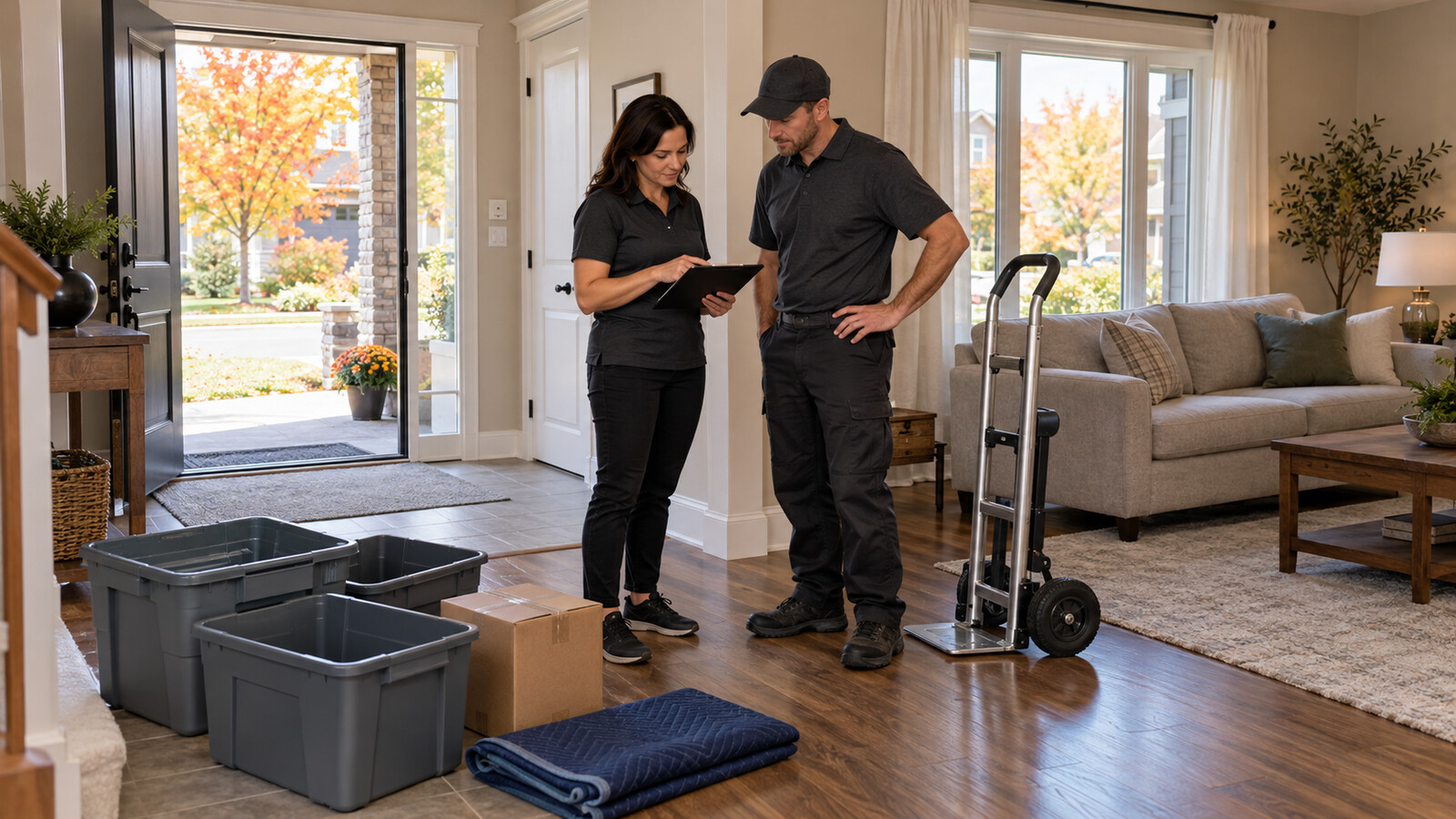
A vacant Ottawa property can look ready for winter while still having practical problems inside. A few abandoned boxes may block an electrical panel, furniture may narrow the route to a basement, and loose items near an entrance can complicate inspections or service appointments. These are not dramatic issues, but they can slow down a handoff when nobody is living at the property to move things at the last minute.
A useful pre-winter clean-up focuses on ordinary non-hazardous items, clear access and good documentation. It does not replace heating, plumbing, roofing, electrical or security work. The goal is to make the property easier for the owner, manager and qualified trades to inspect and service without guessing what should stay or what belongs in a removal load.
Confirm who can authorize removal
Before moving anything, identify the person who can approve decisions for the property. That may be the homeowner, landlord, property manager or an authorized representative. A vacant room does not mean its contents are unwanted. Keys, documents, tools, fixtures, window coverings and stored materials may still belong to the owner or a contractor.
Use photographs and a written item list for anything uncertain. Create clear groups for keep, relocate within the property, remove as ordinary junk, and hold for separate assessment. Do not discard personal records, medication, identification, electronics containing data or anything that may have financial or legal importance without explicit direction.
Start with a room-by-room condition walk
Walk the property in a consistent order: exterior entrance, main floor, upper floor, basement, garage and secondary exits. Take wide photographs before close-ups. The wide view records the room, walking route and item location; close views help identify quantity, size and condition. Include stairs, narrow turns, door widths and the distance to the planned loading point.
Pause when you find unknown liquids, fuel, paint, pesticides, pressurized cylinders, needles, batteries, animal waste, mould-like growth or sharp broken material. These are not ordinary clean-up items. Keep the area undisturbed and arrange the appropriate advice or service rather than hiding questionable material inside bags or boxes.
Clear doors, stairs and inspection routes first
Prioritize the routes another professional may need. Keep the main entrance, basement stairs, utility-room approach, electrical-panel area and access to visible shutoffs free of stored items. Do not operate equipment or change settings unless that responsibility belongs to you. A clean-up crew can create access; qualified trades should handle the systems themselves.
Make sure interior doors open normally and that boxes are not leaning against walls, heaters or appliances. Keep exits usable throughout the job. At a townhouse or multi-unit property, hallways and shared doors should never become temporary storage areas, even for a short loading window.
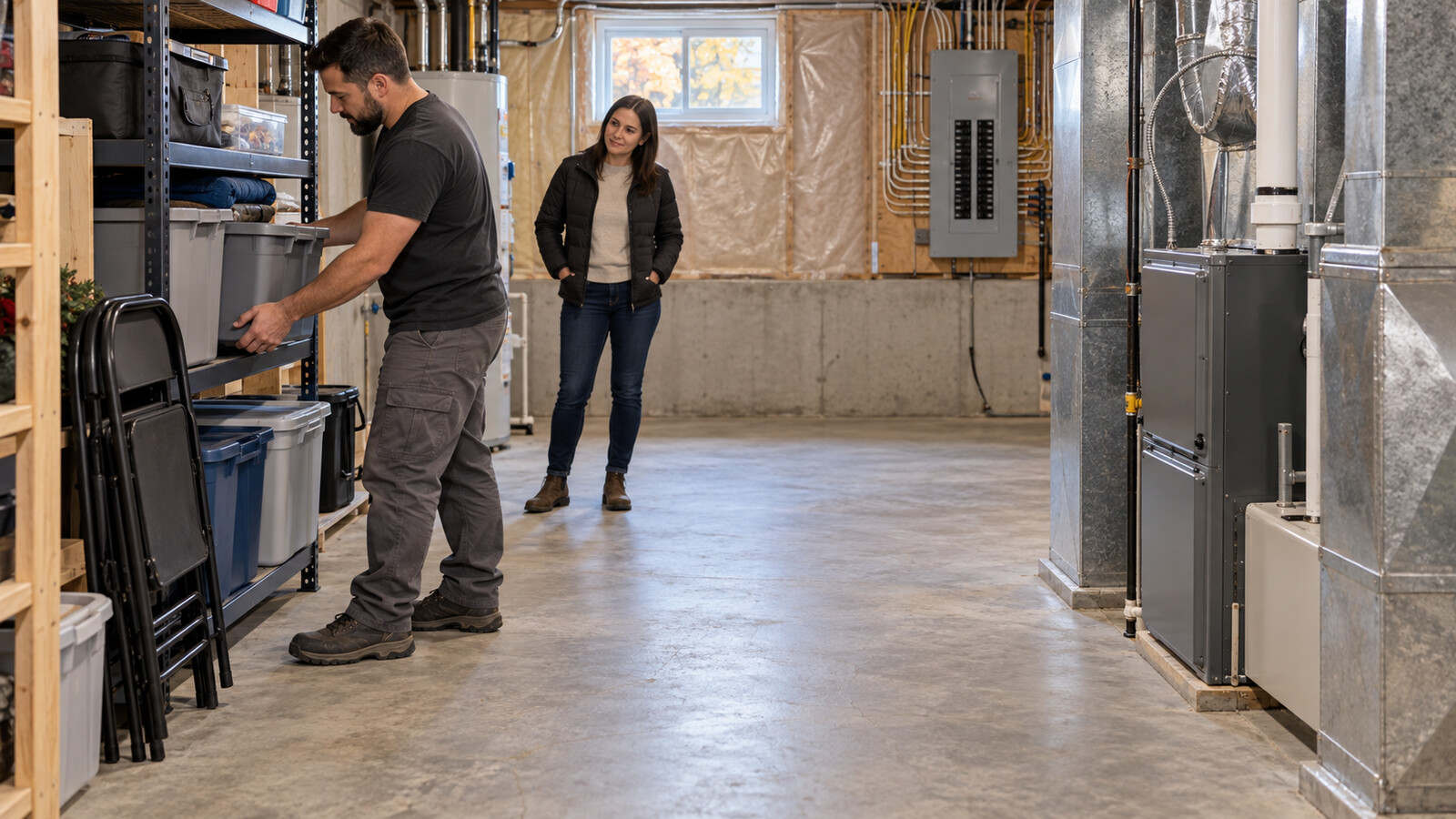
Separate ordinary clean-up from property maintenance
Ordinary clean-up may include approved empty boxes, broken household items, unwanted non-upholstered storage pieces, bagged non-hazardous waste and loose belongings that have been clearly released by the owner. Size, weight, condition and access still determine what can be handled safely. Photograph larger items beside the doorway they must pass through.
Mechanical winterization, leak diagnosis, frozen-pipe prevention, appliance servicing, alarm work and repairs are separate jobs. So are pest remediation, mould remediation and the handling of hazardous materials. Record these conditions for the owner or manager and keep the clean-up scope specific. Clear limits protect the property and make the next handoff easier.
Protect floors and finished surfaces
Vacant properties often have no resident available to point out a delicate floor, recently painted wall or loose stair nosing. Check the route before moving large items. Use suitable floor protection where needed, keep footwear clean and avoid dragging boxes, furniture or bags across hardwood, tile, interlock or finished concrete.
Remove shelves and furniture only when that work is included and safe. Do not detach built-ins, fixtures or mounted equipment as part of an ordinary clean-up. Keep hardware with any item that is being relocated, and photograph the area after approved contents have been moved.
Plan the loading route before staging
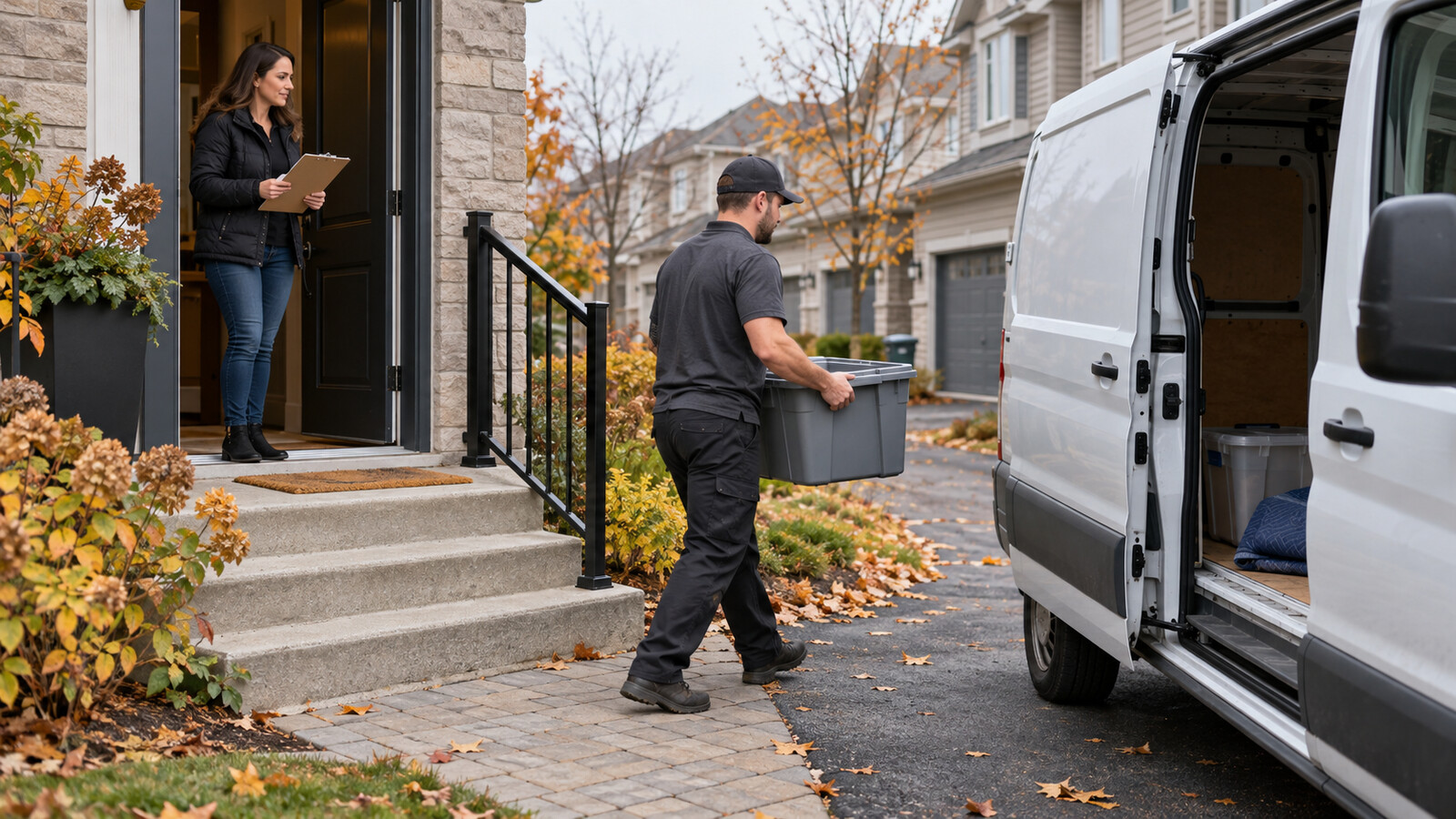
Confirm the doorway, steps, driveway and legal parking position before material is staged. The shortest route is not always the safest one. Check railings, tight corners, low fixtures and soft ground. In a condominium or managed complex, the owner or manager should confirm building access, elevator arrangements and permitted work windows before the appointment.
Keep the loading point orderly and do not block sidewalks, neighbouring driveways, fire routes or shared entrances. Group items by handling needs rather than building one unstable pile. Heavy or awkward pieces should remain separate until they can be assessed, and the route should stay clear enough for people to pass safely.
Document the final handoff
After the approved removal is complete, repeat the original walk in the same order. Photograph each cleared area, the loading route and anything intentionally left behind. Check that doors close, keys are returned as directed and no protective materials, ties or loose debris remain. Note unresolved items that require a trade, owner decision or specialized disposal route.
A good handoff does not claim that the building has been winterized. It confirms what clean-up was completed and which access routes were made clear. That distinction helps a property manager schedule the remaining inspections and services without confusing ordinary clean-up with technical building work.
Vacant-property clean-up checklist
- Confirm the person authorized to approve removal decisions.
- Photograph every room and the full loading route before work begins.
- Separate keep, relocate, remove and assess-later items.
- Leave unknown, hazardous or specialized materials undisturbed.
- Clear doors, stairs, exits and routes to utility equipment.
- Keep mechanical and electrical work outside the clean-up scope.
- Protect floors, walls, thresholds and finished surfaces.
- Confirm parking, elevator and managed-building access requirements.
- Keep shared entrances and required routes open.
- Photograph completed areas and record anything left for follow-up.
What to send for a firm quote
Send wide photos of each room, close views of larger or uncertain items, and images of the complete route to the driveway or loading area. Include the number of stairs, any narrow doors, elevator details, parking limits, key or access arrangements, the person authorized to make decisions and the required completion date.
Mattabo Property Care is fully insured for the services it provides. Readers can send photos, their Ottawa address and deadline for a firm quote. Same-day service is often available but is not guaranteed until Mattabo confirms the appointment. A quote request is not a confirmed booking.
For ordinary non-hazardous clean-up at a vacant Ottawa property, use /contact to share the scope and access details. Clear photographs help define what can be removed, what should remain and how the property can be protected before an appointment is confirmed.
Photos are illustrative examples of typical residential service results.